


Display Advertising
Find out here how you can attract potential customers with display advertising in your marketing mix! ... Continue readingDisplay Advertising

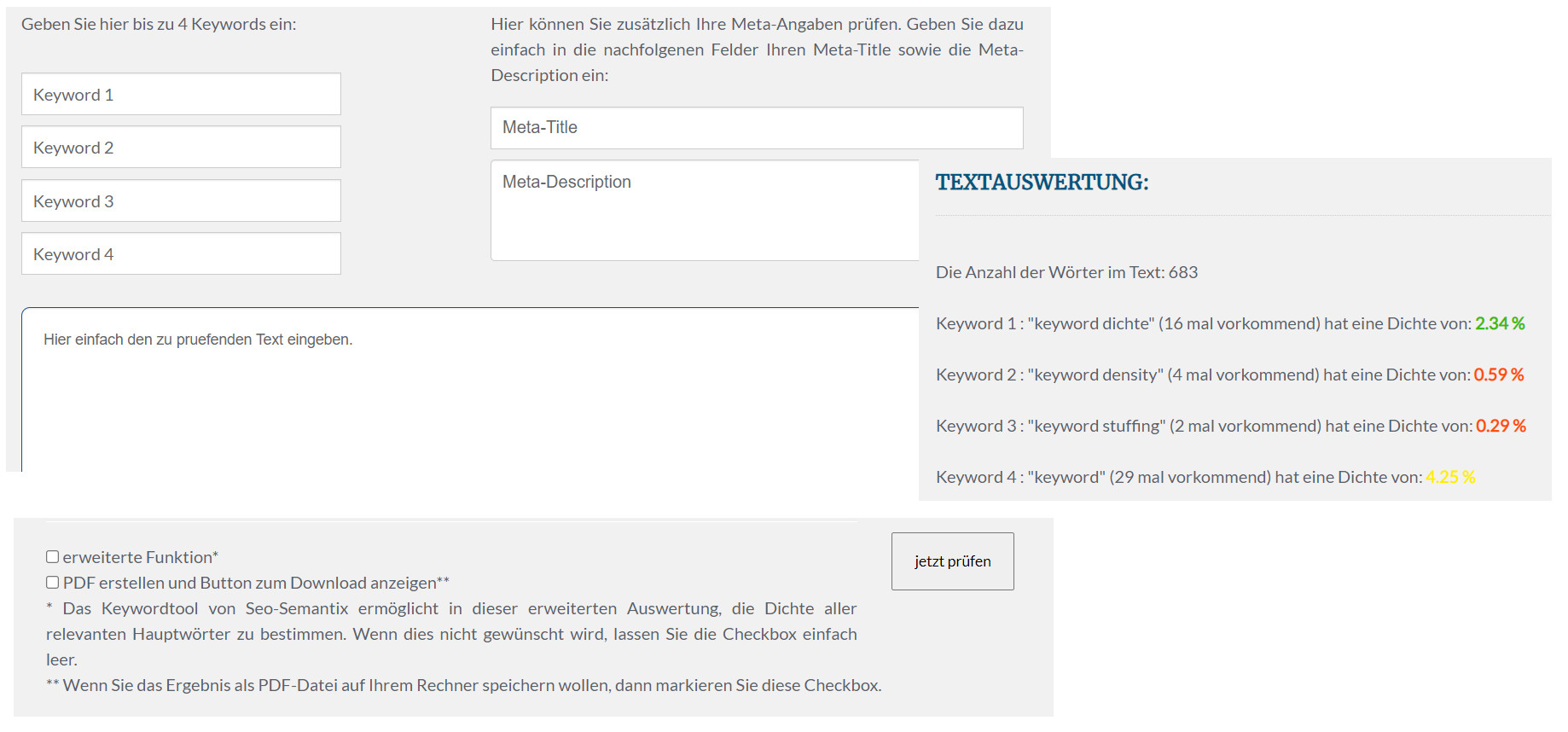
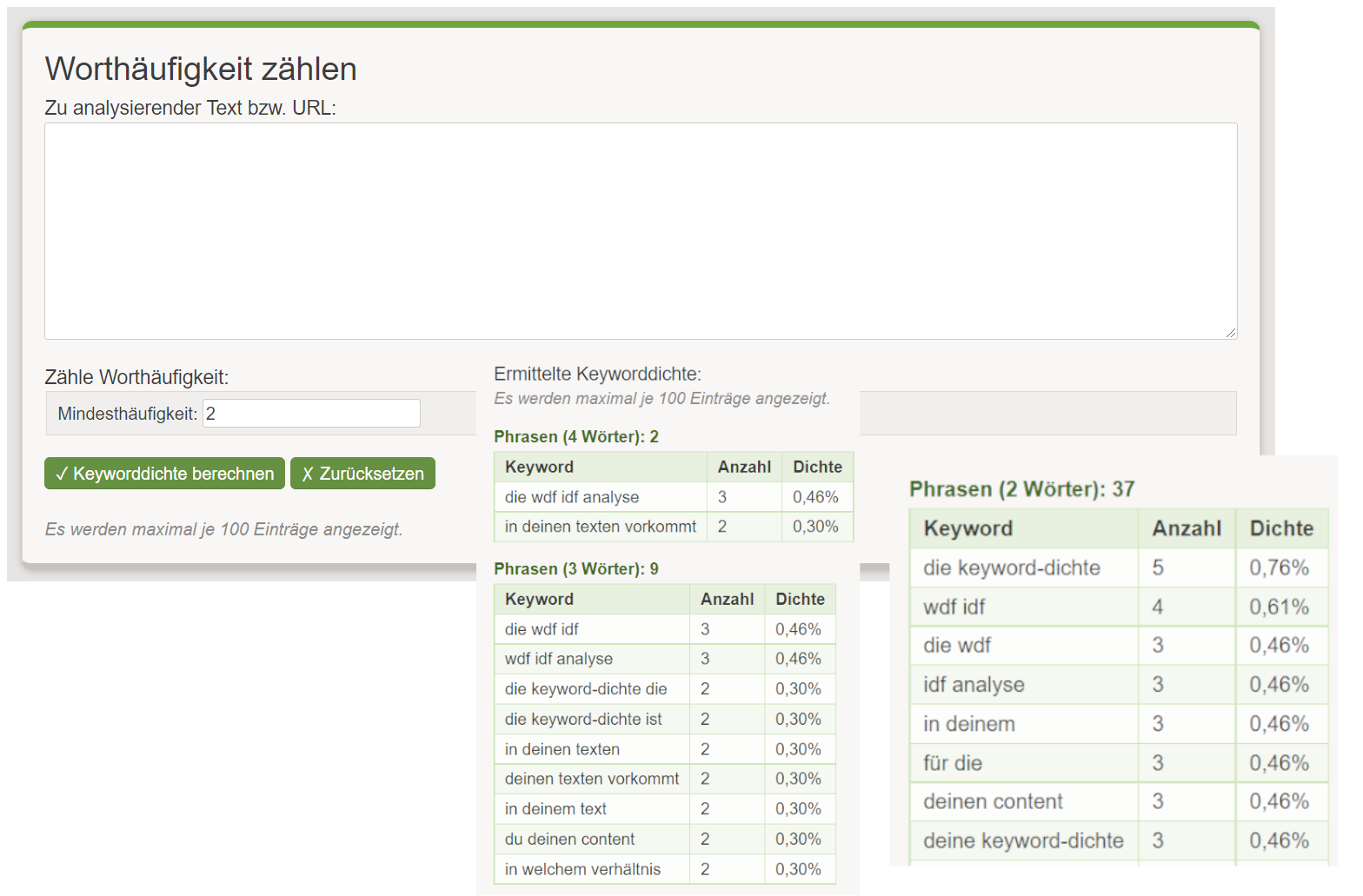
Keyword density, also known as search term density, is a key figure in search engine optimization. It refers to the ratio of a search term to the total number of words on your website. Keyword density is usually expressed as a percentage.
Keyword density= (Number of your keywords ÷ Total number of words in the text) * 100
Example:
If the keyword appears a total of six times in a text with a total length of 500 words, your keyword density is 1.2%.
Your keyword density is a relevant ranking factor for search engines and an important part of your search engine optimization. However, there is no specific guideline for what percentage the keyword density should be. Several factors play a role in finding the right keyword density:
Keyword density is one of several factors that Google uses to calculate the relevance of your website. In addition to the question of how often a relevant word appears in your texts, other factors such as responsive design, your PageSpeed, the usability of your site, and your internal links and backlinks also play an important role.
When writing your texts, you should make sure that your keyword density does not become too high. Search engines can interpret this as keyword spamming or keyword stuffing. Keyword stuffing involves filling both the metadata and the source code of the website with one or more keywords. This increases the keyword density. In most cases, the texts are barely readable for the user. This leads to an increased bounce rate, as there is often no useful information behind the content. This practice is now strictly punished by Google. The reason: too high a keyword density makes your text seem unnatural, which the Googlebot can recognize. This can cause your website to lose ranking.
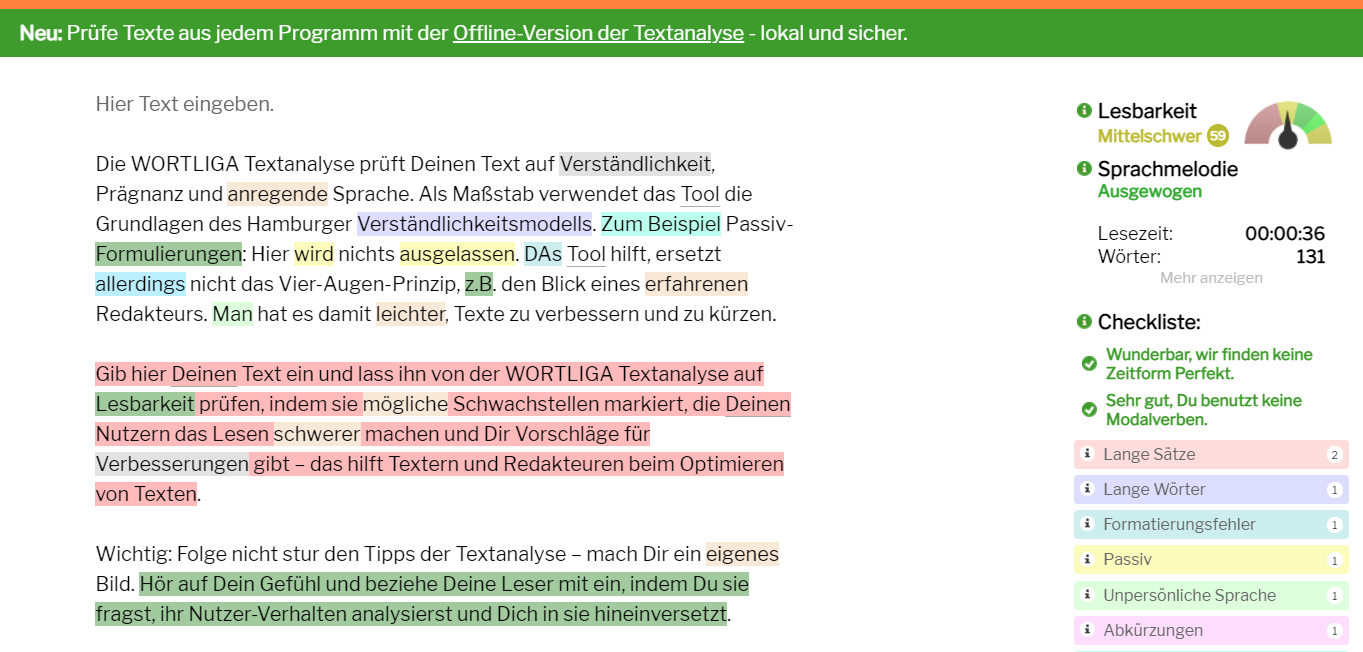
So write your text, taking your keywords into account, as naturally as possible. Write your content for the human visitors and readers of your site, not for the search engine, and incorporate your keywords organically.
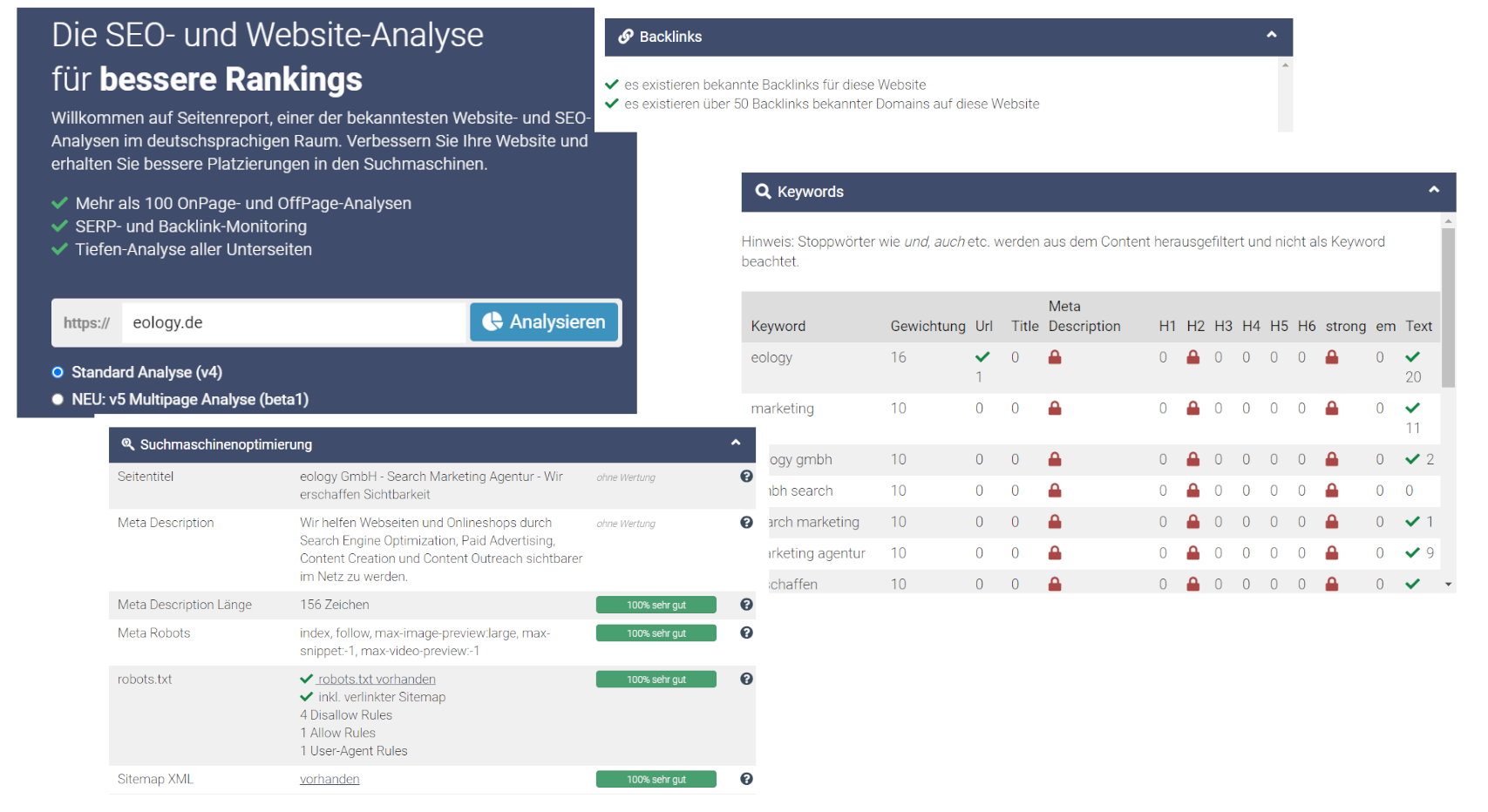
As an alternative to determining keyword density using the calculation above, there is the WDF*IDF analysis. This evaluation shows you which keywords are still missing in your content but occur very frequently in other online documents and on websites of competitors. This allows you to easily add to your keyword list. The analysis also shows you key terms that frequently appear in connection with your main keyword. You can use WDF*IDF tools to ensure that all keywords appear in the text and are sufficiently covered. Unlike the simple method of calculating keyword density, WDF*IDF analysis is time-consuming. However, both types of analysis are useful and advisable. Calculating keyword density gives you a good initial overview. If you have other keywords in your text besides the main keyword that need to be optimized, WDF*IDF analysis is definitely worthwhile for you.
Find out here how you can attract potential customers with display advertising in your marketing mix! ... Continue readingDisplay Advertising
OnePager is the term used to describe websites whose content is presented on a single page and usually does not include subpages or other categories. OnePage websites present all relevant information briefly and clearly on one page. Click here to learn more ... Continue readingOnePager
Golden Circle marketing model for marketing products and services. Find out how the model works here with us! ... Continue readingGolden Circle
You want to learn more about exciting topics?
You are currently viewing a placeholder content from Hubspot Embedded Content. To access the actual content, click the button below. Please note that doing so will share data with third-party providers.
More InformationYou are currently viewing a placeholder content from HubSpot. To access the actual content, click the button below. Please note that doing so will share data with third-party providers.
You are currently viewing a placeholder content from Hubspot Meetings. To access the actual content, click the button below. Please note that doing so will share data with third-party providers.
More Information


