SEO for Social Search Engines – Win the battle for the favor of Gen Z
eologyWhitepaperSEO for Social Search Engines – Win the battle for the favor of Gen Z
Request free whitepaper
Download our free white paper on “SEO for social search engines — win the battle for the favor of Gen Z” now. In it, our content creation team shows you what matters when it comes to SEO for social search engines. You’ll also receive helpful tips for suitable content formats.
Table of contents:
What are social search engines?
How did social search engines come about?
Differences and similarities: Google SEO and social SEO
Hands-on tips for social search engines
Sustainable visibility with SEO for social search engines
A restaurant for a delicious dinner, household tips for removing a stain from your new favorite item of clothing, or help with a noisy washing machine—these are just three examples of situations where the course of action used to be clear: turn on your laptop, open Google, and “google” for the right answer. Today, that has changed. Google’s search engine throne is under serious threat. The usurpers are social search engines such as YouTube, Instagram, and TikTok, which are heralding a new era of Internet search with their search algorithms and visual content offerings.
Have you ever thought about how much social media platforms and their clever algorithms are changing all of our lives? Imagine that you are part of a digital revolution in which not only technology, but also you and your generation play a decisive role. The way you use the internet is constantly changing, and the new generations, especially Generation Z, are in the process of replacing traditional search engineswith social search engines.
Imagine instinctively reaching for TikTok, YouTube, or Instagram, not only to stay in touch with friends, but also to find answers to your most burning questions. You are not alone!
This shift also has a lot to do with the change in how you consume content. It may sound surprising, but attention spans have fallen from 12 seconds to just 8.25 seconds over the last two decades.
What does this mean for you? Your content needs to be faster, more entertaining, and easier to digest. Video and audio content are perfect for meeting this need for quick information while conveying knowledge and tips in an appealing way.
The social search engines you use every day are not just a collection of colorful and diverse content. They are a place of inspiration and information where you can find reviews, tutorials, and recommendations in formats that are tailored to your needs. The social component of these platforms is particularly important for Generation Z. Authenticity and trust in the community influence how they perceive and accept content.
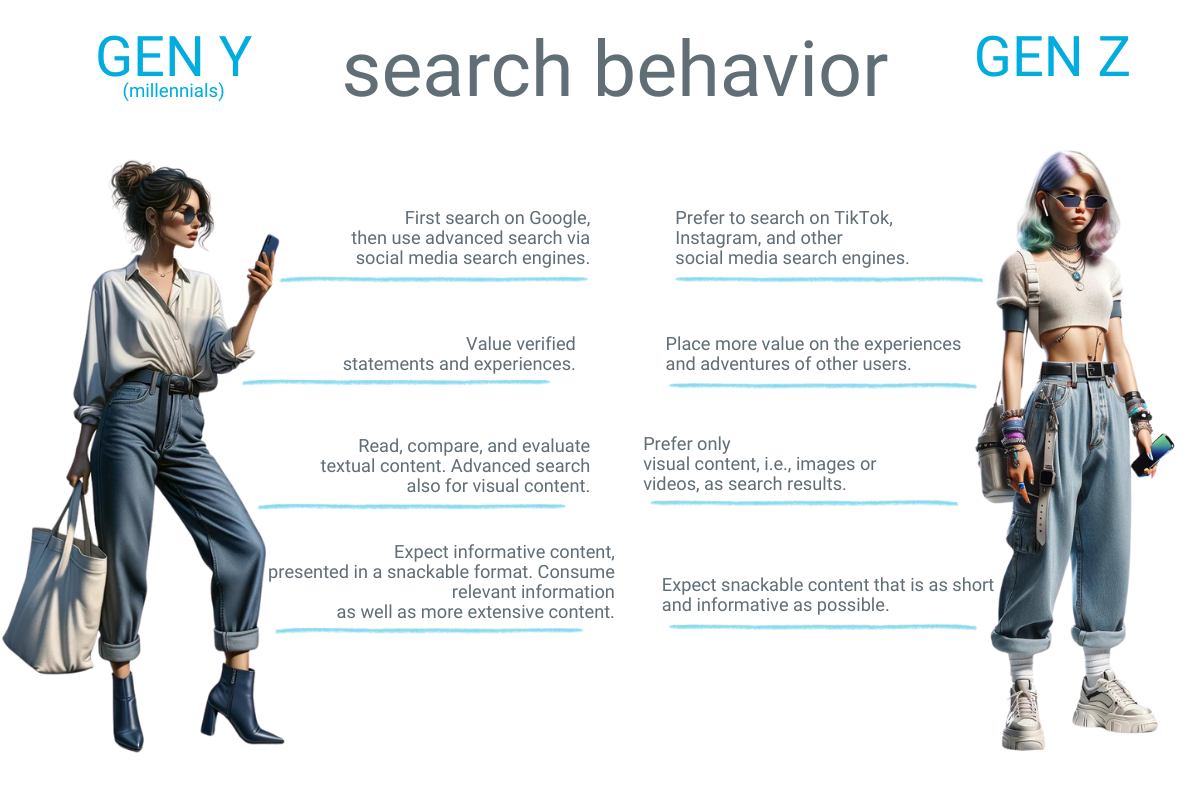
Figure 1: Differences in Search Behavior Between Gen Y and Gen Z
The shift in user behavior opens up new opportunities, particularly for small and medium-sized enterprises, to compete with the established players in their industry or competitive environment for the top spots on Google. Social search engines give these brands the chance to position themselves more prominently and interact directly with their target audience.
Social SEO at a Glance: Answers to the Most Pressing Questions
What are social search engines?
Social search engines are social media platforms such as YouTube, Instagram, and TikTok that users actively use to search for information, products, and recommendations. Unlike Google, they do not search the entire web but instead access content within their respective networks. Which results appear at the top is determined primarily by social signals such as views, likes, shares, and comments. This results in personalized results tailored to users’ behavior and interests.
How does social SEO differ from traditional Google SEO?
The biggest difference lies in the focus. Traditional Google SEO is primarily technical and text-based, relying on keywords, backlinks, and a clean website structure. Social SEO, on the other hand, relies on engaging, visual content, trending topics, relevant hashtags, and high user engagement. Instead of backlinks, views, likes, shares, and comments serve as ranking signals. The basic idea remains the same – delivering relevant content to the right target audience -but the implementation differs significantly.
How do I optimize my content for YouTube search?
On YouTube, what counts most are long watch times, a high engagement rate, and regular uploads. Include your most important keywords not only in the video itself, but also in your profile, the title (ideally under 70 characters), the subtitles, and the video description. Use eye-catching thumbnails that are easily recognizable even on a smartphone, and organize longer videos into chapters. This makes it easier for the algorithm to understand what your content is about.
Why are social search engines especially important for Gen Z?
Generation Z has long since stopped using TikTok, Instagram, and YouTube just to connect with friends; instead, they now turn to these platforms first when they have questions. Authentic experiences, tutorials, and recommendations from the community are often more important to them than traditional search results. On top of that, they have shorter attention spans, which is why short, visual, and easy-to-understand content works particularly well. Anyone who wants to reach this target audience can’t really ignore social search engines.
Do I even need a website anymore if I’m relying on social search engines?
A website remains valuable, but ideally it should work in tandem with your social media channels. The most successful approach is a synergistic strategy that combines technically and content-wise optimized website content with creative social media content. This way, you’ll be visible both in Google search results and on the social media platforms where your target audience spends its time. For young brands, however, the focus may well be more on social media platforms.
Would you like to discuss this with our social media experts?
Social search engines now play a central role in the wayinformation is found and shared online. Traditional search engines, such as Google or Bing, search the entire web for answers to search queries. Social search engines, on the other hand, limit their searches to social networks.
SearchGPT is an advanced version of GPT-4o that is capable of obtaining up-to-date information directly from the web. The increasing integration of AI overviews (AIOs) into search engine algorithms also offers new opportunities. This white paper provides a comprehensive overview of AI search. ... Continue readingSearchGPT as a game changer – how AI is transforming search
In this whitepaper, we highlight the different SEO challenges faced by site owners and e-commerce decision makers, and show possible solutions that can enable sustainable optimization for long-term success. Download all the info! ... Continue readingSearch Engine Optimization for more Web Traffic
We'll help your brand stand out on YouTube, Instagram, and TikTok.
You are currently viewing a placeholder content from Hubspot Embedded Content. To access the actual content, click the button below. Please note that doing so will share data with third-party providers.
You are currently viewing a placeholder content from HubSpot. To access the actual content, click the button below. Please note that doing so will share data with third-party providers.
You are currently viewing a placeholder content from Hubspot Meetings. To access the actual content, click the button below. Please note that doing so will share data with third-party providers.